Eight Grades, One Room, and a Teacher Who Wouldn't Trade It: Inside Montana's Living Schoolhouses

Photo by Photo by Lee Peters on Unsplash on Unsplash
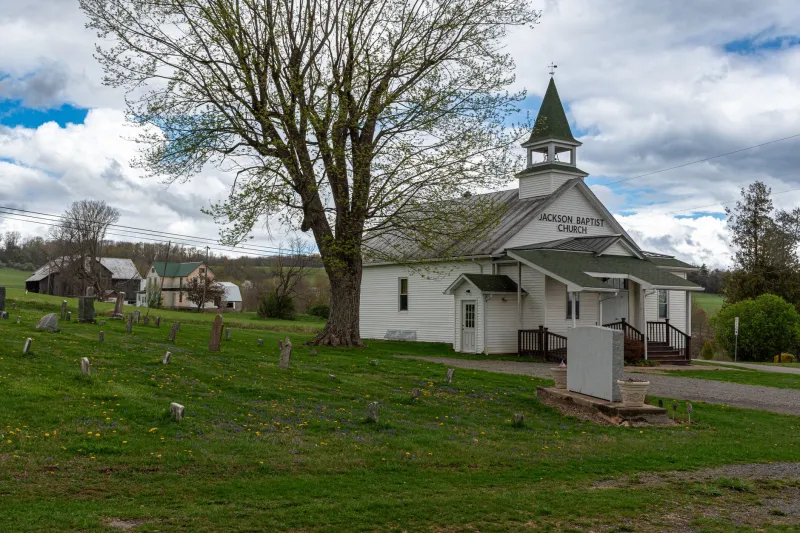
In a timber-framed building that has served students since before Montana had paved highways to speak of, a single teacher moves between eight grade levels before lunch. Multiplication tables on the left, high school literature on the right, and a woodstove humming through the middle of it all.
This is not a museum piece. It is Tuesday.
The Numbers Behind the Nostalgia
Montana operates roughly 60 one-room schoolhouses, more than any other state in the union. What outsiders dismiss as anachronism, education researchers increasingly describe as something closer to a laboratory: small cohorts, individualized instruction, and multi-age classrooms where older students routinely tutor younger ones.
Test scores in many of these schools hold their own against district averages. Attendance runs high. Discipline problems, teachers will tell you with a straight face, are nearly nonexistent — hard to hide misbehavior when your teacher also saw you at the grocery store last night.
A Day in the Life
The rhythm of a one-room school day bears little resemblance to the standardized schedules most American families know. A teacher here might deliver a fractions lesson to third graders, pivot to a discussion of the Louisiana Purchase with sixth graders, and then supervise a chemistry demonstration — all before the lunch hour.
Preparation is relentless. There are no department colleagues to share lesson plans with, no aides in most buildings, and no substitute pool deep enough to guarantee coverage when illness strikes. Teachers in these posts describe the work as equal parts educator, custodian, bus-route coordinator, and community anchor.
And yet turnover is remarkably low. The ones who stay tend to stay for decades.
The Consolidation Question
Every few years, the debate resurfaces in Helena: would taxpayers be better served by busing these students into regional schools? Advocates of consolidation point to per-pupil costs that can run several times the state average and to the logistical strain of staffing remote buildings.
Parents in the affected districts tell a different story. A bus ride of an hour or more each way, they argue, is not a saving — it is a cost paid in childhood. Families describe the school as the last functioning civic institution in communities that have already lost their post offices, their grain elevators, and in some cases their churches.
State funding formulas, which distribute transportation and small-school allotments, remain the fulcrum of the fight. Legislators from urban districts frequently press for reform; rural lawmakers, representing some of the largest legislative districts by geography in the country, have so far held the line.
What Gets Lost in the Ledger
There is no line item for what a school means to a town. Economists can price transportation, utilities, and salaries. They cannot price the Friday basketball game where a school of eleven students fields a team, or the graduation ceremony where every family in the valley fills the folding chairs.
Montana's constitution obligates the state to provide a quality education to every child, regardless of zip code. For the teachers in these last rooms, the question is not whether the model is quaint. It is whether the state intends to keep its promise.
The bell still rings. For now, that is the whole argument.