Cents Per Bushel, Towns on the Line: Inside Montana's High-Stakes Freight Rate Fight
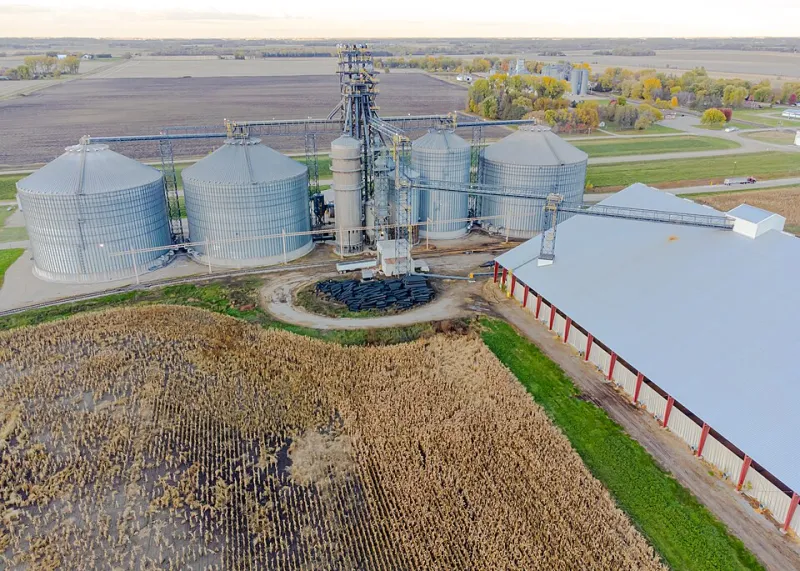
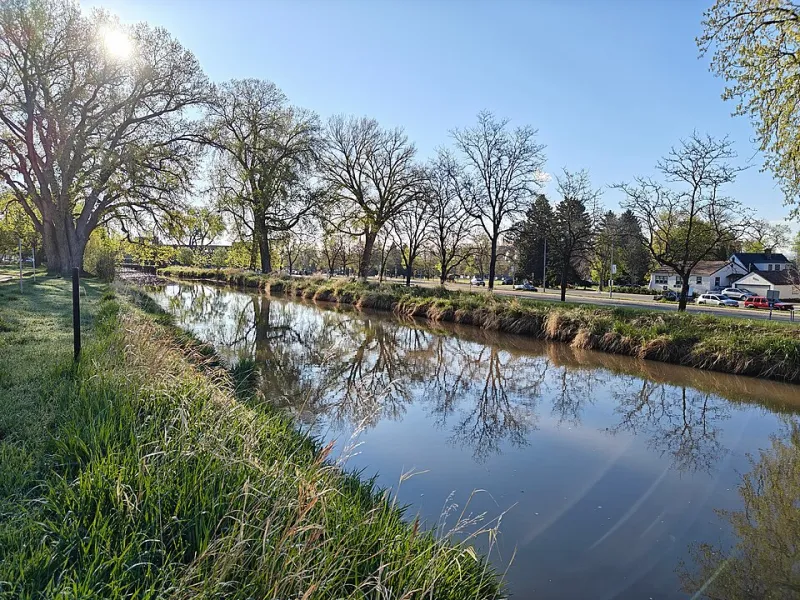
Photo: Wikideas1, CC0, via Wikimedia Commons
On a clear morning in Chester, the grain elevator casts the longest shadow in town. Fourteen railcars used to be loaded here every week during harvest. Last fall, the manager says, some weeks saw three.
The reason is not drought, not yields, not demand from Pacific Rim buyers. It is a number on a document most people in this town of 800 will never read: the freight rate.
Two Railroads, One Table
Montana's grain moves on the rails of two Class I carriers — BNSF and, in the western reaches of the state, Union Pacific — and for elevator towns sitting on those lines, there is no alternative. A truck cannot haul wheat to Portland at a profit from north of the Missouri. The railroad sets the rate; the elevator pays it or watches its growers truck their crop to a rival elevator sixty miles down the line.
"People think we're negotiating," said one elevator manager in Liberty County, who asked not to be named because his facility still does business with the railroad. "We're not negotiating. We're asking, and they're answering."
The arithmetic is unforgiving. A difference of four cents per bushel in freight cost — the kind of swing that can come with a new fuel surcharge schedule or the loss of a shuttle-train loading designation — can erase an elevator's margin entirely. At 900,000 bushels a season, that is $36,000 gone. For a rural facility running on thin spreads between what it pays growers and what it earns at the terminal, that is the difference between a new auger and a closing notice.
What the Rate Sheets Show
Montana's News reviewed shipping figures and spoke with a former railroad rate analyst who spent two decades pricing agricultural movements in the northern tier. He described a system in which rate "negotiation" has largely been replaced by published tariffs and volume incentives that favor large shuttle-loading elevators capable of filling 110-car trains in a day.
"The old single-track elevator loading a car at a time is functionally priced out," he said. "The rate structure rewards scale. Scale is money. And if you don't have it, you pay more per bushel to move less grain."
The consequences compound. Elevators that lose their rail competitiveness lose volume. Elevators that lose volume lose the railroad's attention. And elevators that close take with them the ancillary economy — the fuel distributors, the fertilizer dealers, the seed cleaners — that keep a prairie town's main street standing.
The County Ledger
County commissioners in the Golden Triangle have watched this play out before. When a neighboring county's elevator shuttered in 2019, the assessed valuation loss rippled through the school district's budget within two cycles. "That elevator was a taxpayer, an employer, and a buyer," one commissioner said. "When it left, we didn't just lose a building. We lost a reason for farmers to come to town."
Commissioners have few levers. They can write letters to the Surface Transportation Board, testify at rate proceedings, and lobby Montana's congressional delegation. Mostly, they say, they wait.
A Community's Worth, Priced in Pennies
There is no dramatic moment when an elevator town dies. The elevator closes, and then the coffee row thins, and then the seed dealer relocates, and then the school consolidation question arrives. It happens in increments measured in cents per bushel.
For the towns along the Hi-Line and the northern plains, the freight rate is not an abstraction of commerce. It is the price of staying on the map — and right now, that price is being set at a table where they hold no seat.