Trained Here, Practicing Elsewhere: The Quiet Exodus of Montana's Rural Veterinary Graduates
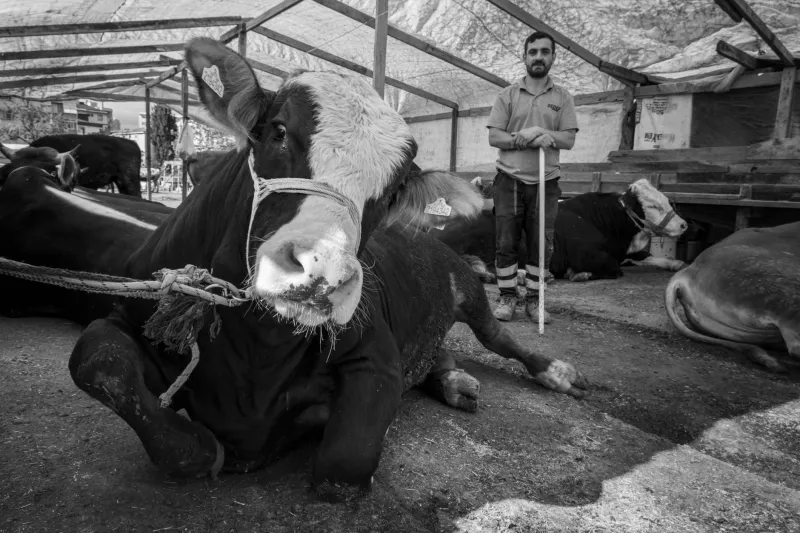
Every spring, a small cohort of veterinary students completes training at Montana State University's College of Agriculture and the broader network of pre-veterinary programs feeding into out-of-state professional schools. They graduate with clinical skills, a deep familiarity with large-animal medicine, and a debt load that, for many, exceeds $200,000. Within months, the majority of them are gone—relocated to urban practices in Bozeman, Billings, or beyond Montana's borders entirely.
For the ranching families and livestock producers who depend on qualified veterinary care across the state's vast interior, this pattern is not an abstraction. It is an annual disappointment that compounds year after year.
The Economics of Rural Practice
The financial arithmetic of rural large-animal veterinary work is, by most accounts, punishing. A veterinarian establishing a mixed or large-animal practice in a remote Montana county faces high overhead costs—a well-equipped mobile unit alone can run upward of $80,000—combined with a client base thinly distributed across hundreds of square miles. The revenue potential rarely matches the investment required.
Dr. Patricia Hollenbrook has operated a solo large-animal practice out of Roundup for nineteen years. She estimates that in her first decade, she routinely drove more than 40,000 miles annually to reach clients. "The fuel costs, the wear on equipment, the hours you spend in the truck instead of generating income—none of that shows up in what people think a veterinarian earns," she said. "Young graduates see the salary figures from companion-animal clinics in cities, and the comparison is not flattering for us."
National data supports her assessment. The American Veterinary Medical Association consistently reports that food-animal and rural mixed-practice veterinarians earn significantly less than their small-animal urban counterparts, even as their student debt levels are comparable. For a graduate weighing a starting salary in a Missoula companion-animal clinic against the uncertainties of solo rural practice in Petroleum County, the financial calculus is often decisive.
What Students Say
Conversations with current veterinary students and recent graduates paint a more nuanced picture than simple economic calculation. Many entered their programs with genuine intentions to return to rural Montana. Several grew up on ranches. Their departure, when it comes, is rarely without ambivalence.
Jordan Taft, a third-year veterinary student from Hardin who completed his pre-veterinary coursework at MSU, said he arrived at veterinary school planning to return to southeastern Montana. "I wanted to serve communities like the one I grew up in. That was the whole reason I chose this path," he said. But as graduation approaches, the realities of student loan repayment have reshaped his thinking. "I owe $230,000. If I go back to Hardin, I'm looking at maybe a decade of financial stress before I can breathe. If I take a position at a clinic in Denver, I can have that debt manageable in five years."
Taft's situation is not unusual. Advisors at MSU's agricultural programs report that the conversation about rural practice becomes increasingly fraught as students move through their clinical years and confront the full weight of their debt obligations.
Others cite factors beyond finances. Isolation, limited professional community, and the absence of specialist support for complex cases all feature in graduate decision-making. Dr. Melissa Crane, who coordinates rural veterinary outreach programs at MSU, noted that many students also factor in the practical difficulties of establishing a life in a remote community—limited schooling options for children, reduced access to cultural amenities, and the challenge of finding employment for a spouse or partner.
Programs Attempting to Reverse the Trend
Montana is not without efforts to address the shortage. The state legislature has periodically funded rural veterinary loan repayment incentives, though advocates argue the programs have been underfunded relative to the scale of need. The USDA's Veterinary Medicine Loan Repayment Program offers federal assistance to practitioners who commit to service in designated shortage areas, but competition for those slots is significant and the benefit amounts have not kept pace with rising debt levels.
MSU has expanded its Rural Veterinary Experience program, which places students in working rural practices during their training. Administrators believe extended exposure to rural work reduces the unfamiliarity that deters graduates from choosing it. Early data from the program suggests participants are modestly more likely to consider rural placement, though long-term retention figures remain elusive.
Some counties have taken matters into their own hands, working with local agricultural extension offices and livestock associations to subsidize practice establishment costs for veterinarians willing to commit to multi-year service agreements. Chouteau County negotiated such an arrangement in 2021, offering a guaranteed income floor and subsidized housing to attract a large-animal practitioner. The position was filled—but recruiting took fourteen months.
What Remains When the Veterinarian Leaves
In counties without a practicing veterinarian, livestock producers adapt through necessity. They rely on over-the-counter medications, consult informally with neighboring ranchers, and in critical situations drive animals hours to the nearest available clinic. Cattle producers describe delaying treatment decisions that, under different circumstances, would be straightforward. Delay costs animals. It costs producers.
"I lost three calves last winter to a respiratory illness that a vet could have identified and treated quickly," said one rancher near Malta who asked not to be named. "By the time I got someone on the phone from two counties over, we were past the point where treatment would have mattered."
The implications extend beyond individual operations. State agricultural economists have noted that veterinary access correlates with herd health outcomes at a county level, and that persistent shortages can affect the commercial viability of livestock operations over time.
Dr. Hollenbrook, approaching the later years of her career, said she has spent years trying to recruit a successor. "I've had conversations with a dozen young veterinarians. They come out, they see the practice, they see the community. Some of them love it. But then the loan statements arrive, and the decision gets made for them." She paused. "I don't blame them. I understand the math. But somebody has to stay, and right now, nobody is."
The graduating classes will continue to come. The communities waiting for them will continue to wait.