Miles of Pages: Inside the Bookmobile Routes Bridging Montana's Rural Information Gap
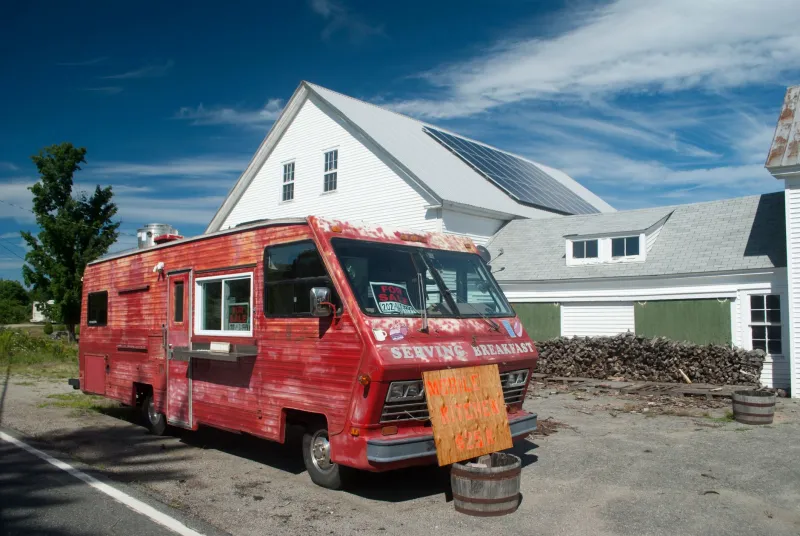
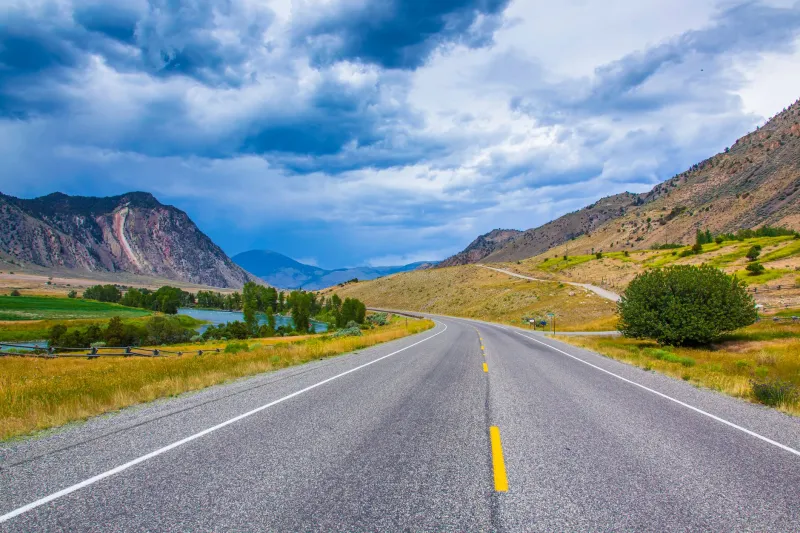
The vehicle leaves the county library parking lot before seven in the morning, its shelves stocked with picture books, large-print novels, seed-saving guides, and a portable Wi-Fi hotspot. By the time it returns that evening, it will have covered more than two hundred miles of two-lane highway and gravel road, stopping in communities that have no library branch, no bookstore, and in several cases, no reliable broadband connection.
This is not an unusual day. For Montana's bookmobile drivers and rural library network coordinators, it is simply the job.
A System Built on Necessity
Montana is the fourth-largest state by land area and ranks among the least densely populated in the nation. Of its fifty-six counties, a significant number contain no permanent library branch outside the county seat — and in some of those seats, the library itself operates on limited hours with a skeleton staff.
The state's mobile library programs, which operate through a combination of county library systems, regional library cooperatives, and occasional state support, were conceived precisely to address this gap. Some routes date to the 1950s and 1960s, when bookmobiles were a national symbol of expanding public access to knowledge. Others are newer, developed in response to specific community needs identified by library administrators.
Today, according to the Montana State Library, approximately a dozen active bookmobile or mobile outreach routes operate across the state, though the precise number fluctuates as funding ebbs and flows. Together, they serve rural schools, senior centers, community halls, and private residences in areas that would otherwise have no practical access to library services.
The Drivers Who Know Every Driveway
The people who operate these routes occupy a professional category that defies easy description. They are, at minimum, skilled drivers capable of navigating mountain roads in February. They are also, in practice, reference librarians, technology instructors, children's literacy advocates, and — in communities where the library van is one of the few regular outside contacts — informal social connectors.
"I know which kids are struggling in school because their teachers send notes back with the books," said one bookmobile driver in a northeastern Montana county who has worked the same route for eleven years. "I know which seniors haven't been feeling well because their neighbors flag me down to ask if I can check on them. You become part of the community's rhythm."
That embeddedness is not incidental to the work. It is, according to library administrators across the state, one of the primary reasons rural communities trust and use mobile library services at higher rates than many urban planners might expect. The driver is not a stranger delivering a product. She is a known and anticipated presence whose arrival marks something reliable in a week that may offer few such anchors.
The Wi-Fi Stop Nobody Planned For
In recent years, bookmobile routes have taken on a function that their original designers could not have anticipated. In communities where cellular data is unreliable and home broadband nonexistent, the library van's portable hotspot has become a critical resource for residents who need internet access to complete job applications, communicate with medical providers, file government paperwork, or assist children with homework.
Some stops now function less as traditional book exchanges and more as informal technology access points. Drivers report that patrons will arrive before the van does and wait, devices in hand, for the hotspot to come online. In at least a few documented cases, rural residents have used the bookmobile's internet connection to participate in telehealth appointments — a development that library staff did not anticipate and for which they received no additional training or compensation.
"We're filling a gap that no one officially assigned to us," said one regional library director in western Montana. "Which is fine — that's what libraries do. But it means our drivers are being asked to support a lot more than books, and the funding we receive is still calculated based on book circulation."
The Funding Fault Lines
Montana's mobile library programs draw from a patchwork of revenue sources: county mill levies, state library development grants, federal Library Services and Technology Act funds administered through the Montana State Library, and in some cases, private foundation support. The diversity of funding streams is both a strength and a vulnerability.
When a county mill levy fails at the ballot box — as has happened in several Montana counties in recent years amid broader taxpayer resistance to local levies — a bookmobile route can lose a substantial portion of its operating budget within a single fiscal year. Federal grant funding, while meaningful, is competitive and not guaranteed from cycle to cycle. Private foundation support, where it exists, is typically project-based rather than operational, making it difficult to apply toward driver salaries or vehicle maintenance.
Vehicle replacement represents a particular pressure point. Bookmobiles are specialized vehicles with high mileage demands and significant maintenance costs. A full replacement can run between $150,000 and $300,000 depending on specifications. Several Montana programs are currently operating vehicles that are well past their recommended service life, a situation that library administrators describe with a mixture of pride in their maintenance staff and anxiety about what happens when a transmission fails on a remote February route.
"We've been running on hope and a very good mechanic for about three years now," said one program coordinator who oversees two routes in a central Montana county.
The Stakes of Losing a Route
When a bookmobile route is suspended — whether due to funding shortfalls, vehicle failure, or driver retirement without a replacement — the consequences for the communities it served are immediate and largely invisible to state-level policymakers.
Children in rural schools lose access to supplementary reading materials. Seniors who rely on large-print books for daily engagement lose that resource. Residents who used the hotspot to manage their affairs online lose that access. The gap does not get filled by another program. It simply becomes a gap.
Library advocates in Montana have spent years attempting to translate these consequences into terms that resonate with legislators and county commissioners who may never have visited the communities in question. The challenge, they say, is that the harm is diffuse and gradual — a slow dimming rather than a sudden crisis, and therefore easy to overlook until a generation has grown up without it.